For a male cat - fur is clipped from the scrotal area and the area is gently scrubbed with an antiseptic solution. The testicles are accessed via individual incisions into the scrotum. The blood vessels and vas deferens (sperm tubes) are tied off securely before the testicles are resected. The scrotal sac does not require stitches to be placed and will scar over within a few days.
For a male dog - fur is clipped from the area in front of the scrotum and the area is gently scrubbed with an antiseptic solution. The testicles are accessed via an incision into the skin in front of the scrotum. The scrotum is highly vascular, so care is taken not to cut into this area as it will profusely haemorrhage and cause a large bruise to form. The blood vessels and vas deferens (sperm tubes) are tied off securely before the testicles are resected. The incision is closed with 2 layers of stitches.
For a female cat and dog - fur is clipped on the abdomen and the area is gently scrubbed with an antiseptic solution. The abdomen is accessed via an incision into the abdominal wall. Care is taken not to disrupt or damage the abdominal organs. Both the ovaries are located and tied off securely before being transected. Blood vessels on the body of the uterus are also ligated at the level of the cervix, and the whole reproductive organ (both ovaries, uterine horns, uterine body) is removed. The abdominal incision is closed with 3 layers of stitches.At KSAH, it is vital that every patient receives adequate pain relief for any painful procedure being performed. Your pet will receive potent pain relief and anti-inflammatory medications to ensure a comfortable recovery.
Here is the difference in desexing surgeries between dog/cats and sex.
All pets go home the same day as surgery, no overnight stay. Your pet will be sent home with three days of pain relief medication for comfort, and a bitterant liquid to prevent them from licking at their wound. If your pet insists on licking their wound despite the bitterant application, you may need to purchase them an elizabethan collar (e-collar). A Vet Nurse will run through post-op care instructions with you during the discharge appointment.
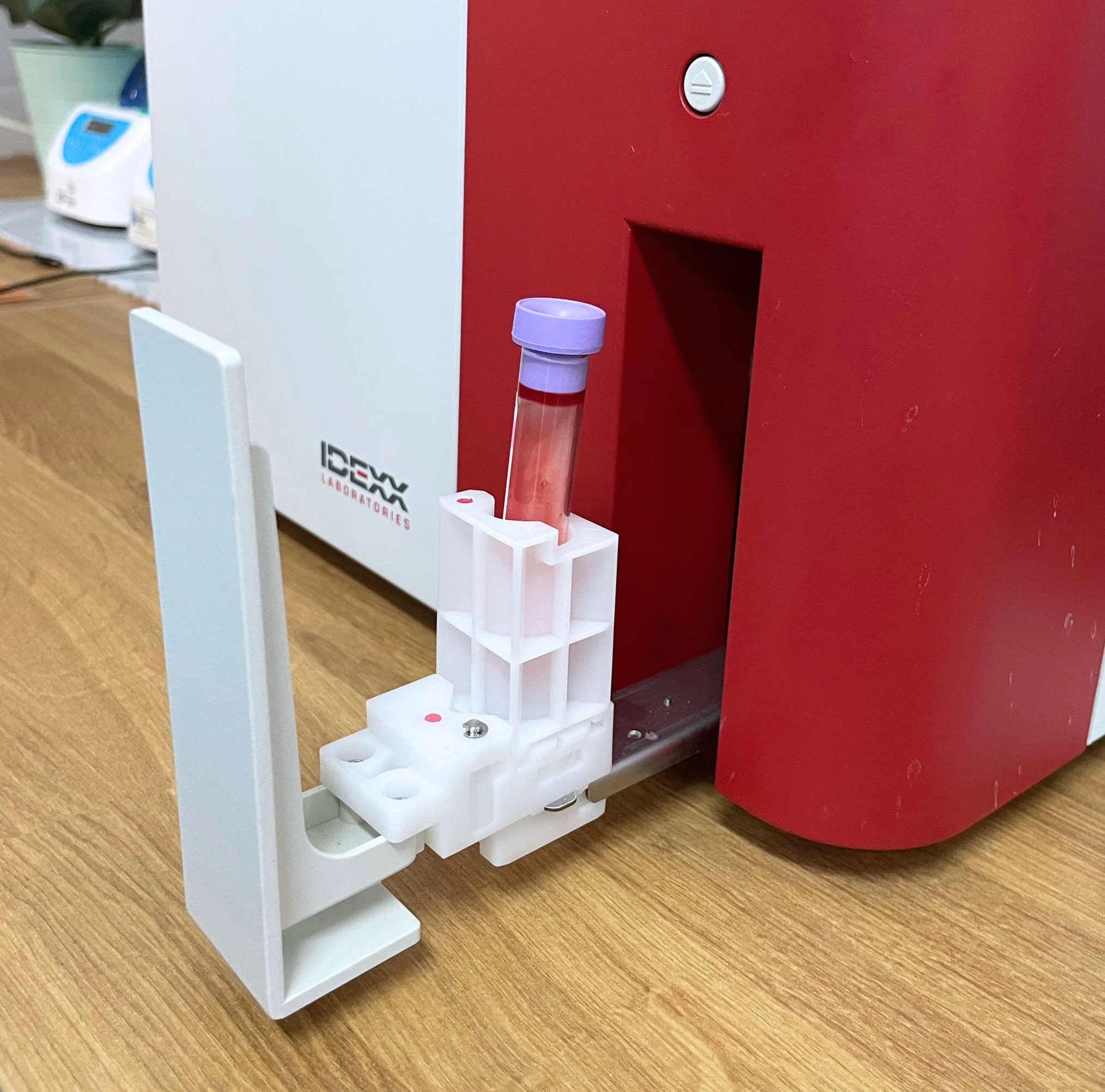
You will need to bring your pet back to have their incision examined and the stitches to be removed 14 days after her surgery. There is no extra charge for this follow up visit.Before your pet undergoes a general anaesthetic, we recommend that they have their blood collected for a blood test profile. The parameters of the profile is case-dependent, as we select the appropriate tests to suit each particular health situation.
Some health conditions are not immediately apparent in the early stages of disease. This can often be picked up by running certain blood tests and allows us to commence immediate intervention so that your pet can enjoy a longer and healthier life with you.
The most commonly run tests are described here as we explain what information we gather from them and why we recommend performing these tests:Haematology PanelThe haematology panel gives us the reading for the red and white blood cells and platelets. Increases or decreases in these counts inform us whether your pet is dehydrated, has anaemia, infection or inflammation. In some cases, the severity of the count determines whether we proceed with an anaesthetic procedure or not.Blood Clotting Time TestWe normally run this test in our female cat and dog desexing blood panel. As we need to access and tie off blood vessels in the abdominal cavity, this information is useful to inform us whether your pet will require additional support to stem any excessive bleeding that may occur.Biochemistry PanelThe biochemistry panel assesses your pet’s kidney and liver health. These organs are responsible for processing and eliminating anaesthetic drugs, pain medications and antibiotics.
Information from this blood panel allows your veterinarian to calculate and plan the appropriate drugs and doses for your pet to ensure that they experience the safest anaesthetic possible. In some cases, we may need to delay the anaesthetic procedure to first address any pressing problems that are picked up by this test.